Art Furniture, Handmade by Artist / Designer Nico Yektai
Unbridled creativity for your project, regardless of scale. Handmade and signed by Nico Yektai from his studio in Sag Harbor, NY in the heart of the Hamptons.
Art Furniture, by Nico Yektai
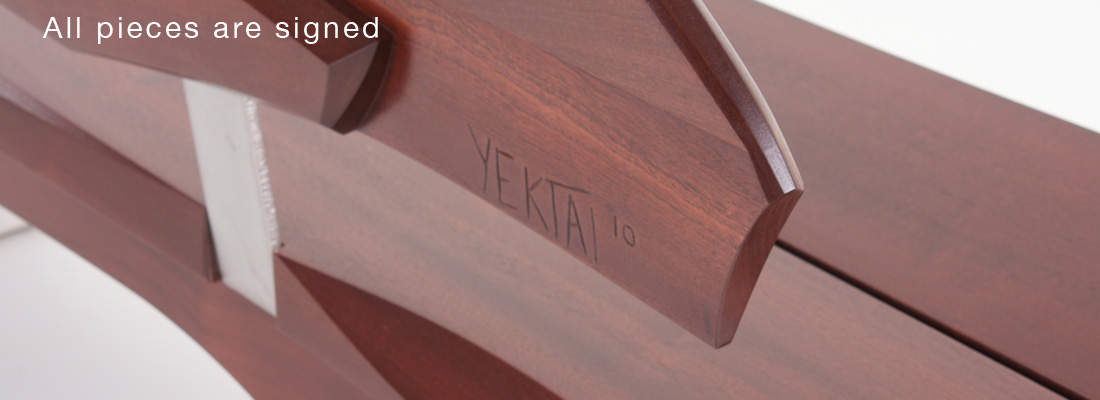
Unbridled creativity for your project, regardless of scale. Handmade and signed by Nico Yektai from his studio in Sag Harbor, NY in the heart of the Hamptons.
About
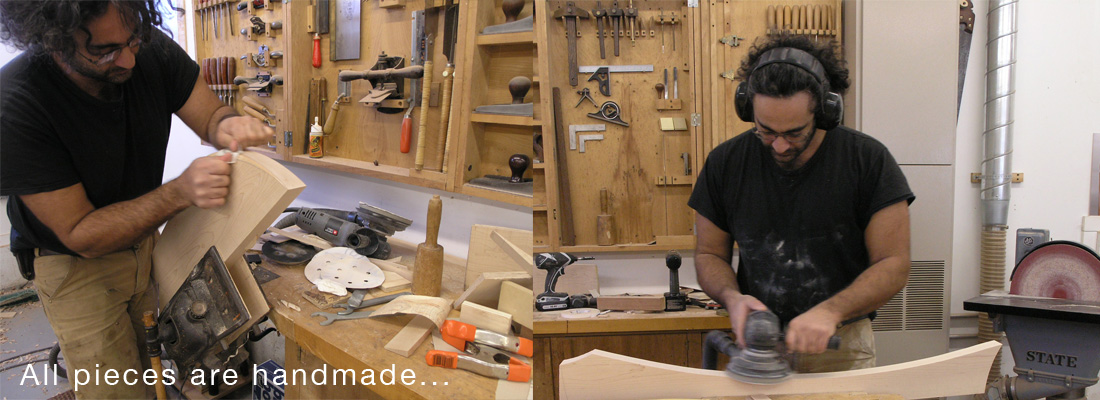
Nico Yektai is the creative force behind the handmade art furniture on this website. Trained in both art and craftsmanship, Yektai is uniquely able to explore and push the boundaries of modern furniture. Yektai is constantly designing and making new pieces of furniture, many of which are available for immediate purchase. If the piece is not available then it can serve as the starting point for a commission. All of the furniture on this website is unique and one-of-a-kind so feel free to ask about custom orders. Contact
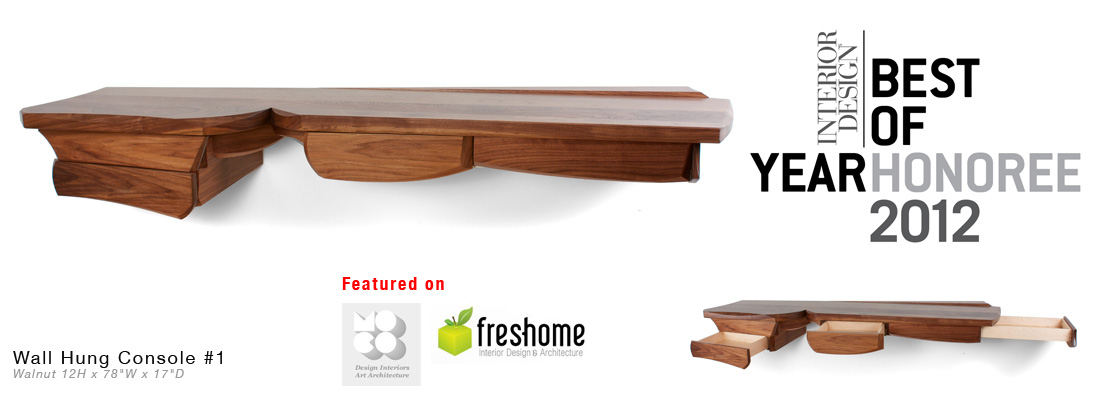
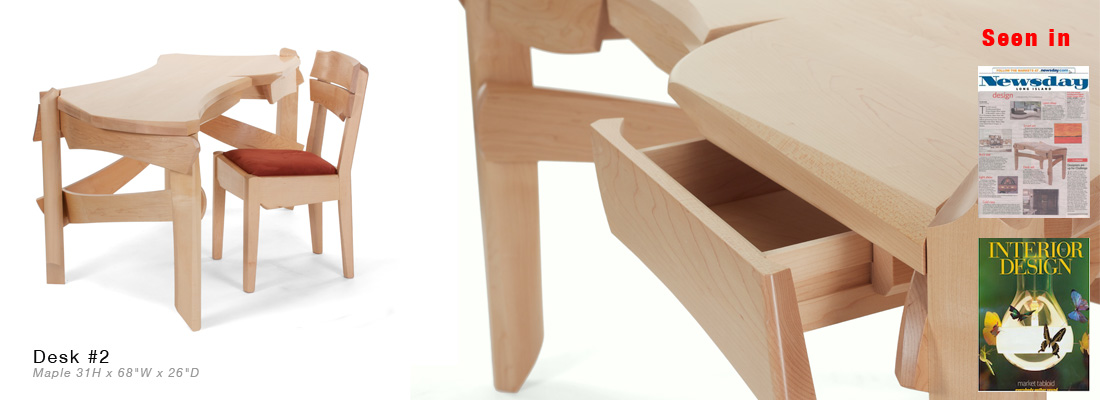
Each component within these pieces of functional art furniture has its own identity. Sometimes they push away from their neighbors in a way that calls attention to themselves while other pieces subtly shift to balance the composition. The energy that this sort of construction captures helps make these functional pieces of contemporary custom furniture seductive from afar and more engaging the closer you get. These modern pieces of furniture are sculpture and have been on view in numerous art galleries and museums such as Guild Hall Museum in East Hampton, New York and the Parrish Art Museum in Southampton, New York.
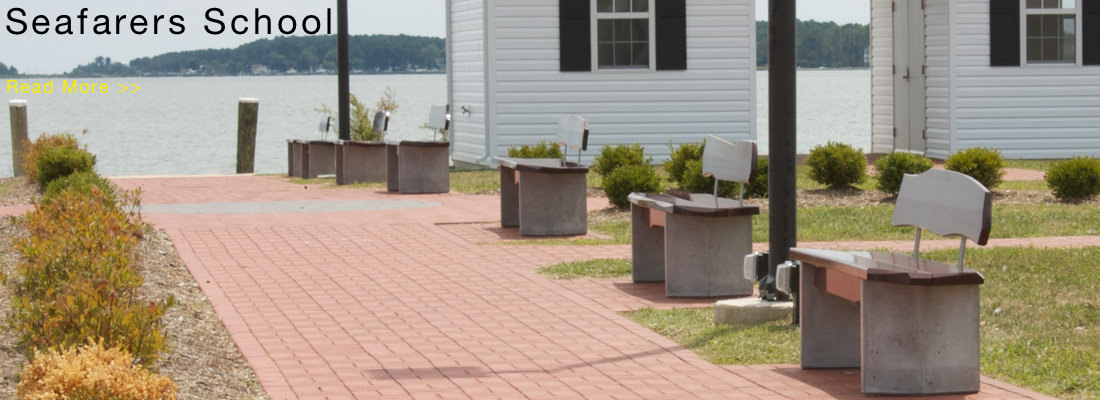
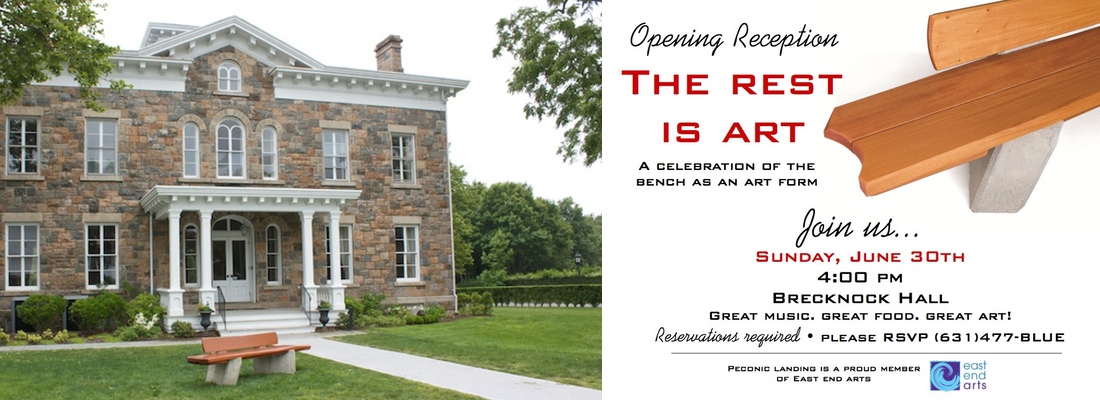
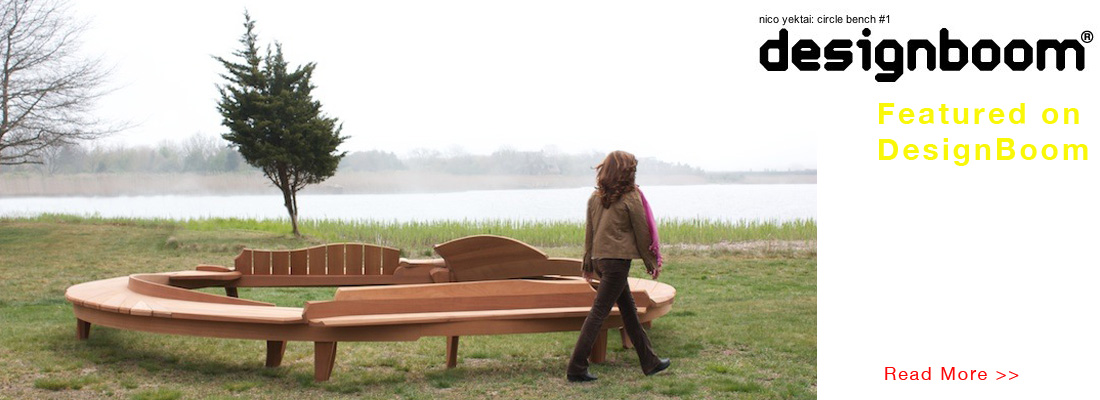
The numbered series of Modern Benches illustrates the nature of this pursuit of unique furniture design. Each bench is a unique expression of handmade modern furniture- a work of art in its own right. The body of work charts the continuing development of the Artist. The series eventually split into Bench Series #2 which continued the development in a slightly different direction. Bench Series #2 features materials and designs well suited for outdoor benches. The benches in this series can also be finished in a wider range of materials if specified for indoor use. An example would the be the introduction of the massive cast concrete legs that can be seen in Bench #4 on view at the Longhouse Reserve. The inclusion of this non traditional material is borrowed from the modernist movement and its quest to diverge from the past. That said, the way that it is incorporated into the composition has little to do with the tradition of modern furniture and more to do with the tradition of modern sculpture. This is an exploration of form, material and creativity through the subject of functional furniture. The resulting furniture is modern, functional, sculptural and individually unique. This is only possible because of the combination of artist with furniture maker and the best ambitions of both.
Nico Yektai has maintained a studio in Sag Harbor, New York, in the Hamptons, where he has made his unique wood furniture since 1995.
Each component within these pieces of functional art furniture has its own identity. Sometimes they push away from their neighbors in a way that calls attention to themselves while other pieces subtly shift to balance the composition. The energy that this sort of construction captures helps make these functional pieces of contemporary custom furniture seductive from afar and more engaging the closer you get. These modern pieces of furniture are sculpture and have been on view in numerous art galleries and museums such as Guild Hall Museum in East Hampton, New York and the Parrish Art Museum in Southampton, New York.
The numbered series of Modern Benches illustrates the nature of this pursuit of unique furniture design. Each bench is a unique expression of handmade modern furniture- a work of art in its own right. The body of work charts the continuing development of the Artist. The series eventually split into Bench Series #2 which continued the development in a slightly different direction. Bench Series #2 features materials and designs well suited for outdoor benches. The benches in this series can also be finished in a wider range of materials if specified for indoor use. An example would the be the introduction of the massive cast concrete legs that can be seen in Bench #4 on view at the Longhouse Reserve. The inclusion of this non traditional material is borrowed from the modernist movement and its quest to diverge from the past. That said, the way that it is incorporated into the composition has little to do with the tradition of modern furniture and more to do with the tradition of modern sculpture. This is an exploration of form, material and creativity through the subject of functional furniture. The resulting furniture is modern, functional, sculptural and individually unique. This is only possible because of the combination of artist with furniture maker and the best ambitions of both.
Nico Yektai has maintained a studio in Sag Harbor, New York, in the Hamptons, where he has made his unique wood furniture since 1995.
Shows
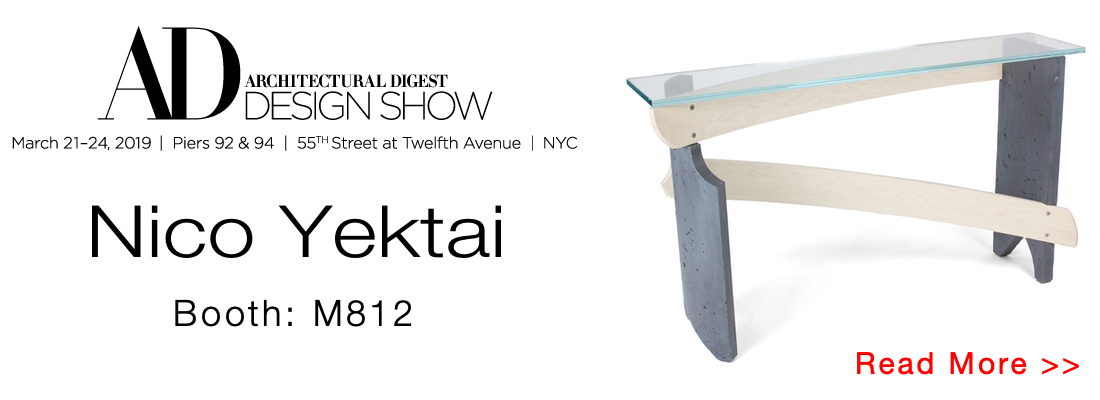
Architectural Digest Home Design Show May 17-20, 2016
Tripoli Gallery, one man show April 25- May 30, 2016
East End Collected 2 May 7- June 12, 2016
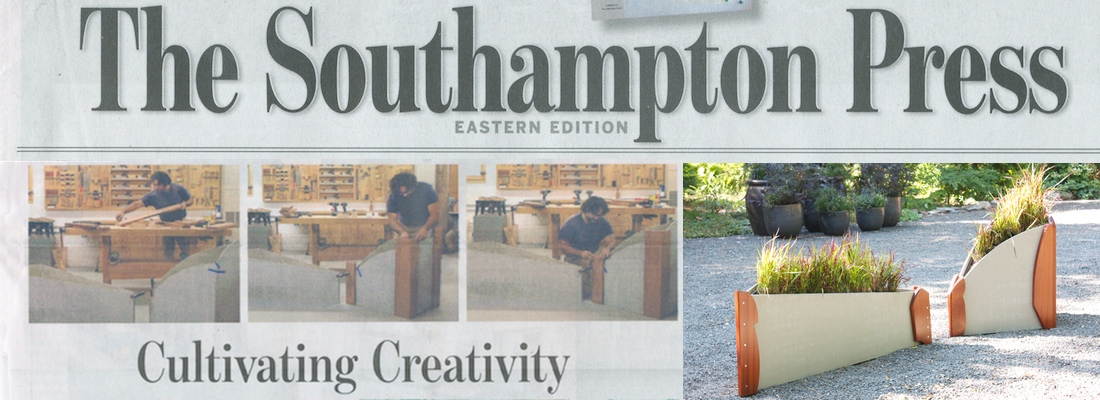
Planters On & Off The Ground June 25-July 30, 2016
Past Shows
Architectural Digest Home Design Show March 22-25, Pier 94 NYC
Holiday Salon, Silas Marder Gallery, Bridgehampton, NY, November 25, 26, 27 2011
Architecture, Silas Marder Gallery, Bridgehampton NY, August 6-September 18 2011
Planters On & Off The Ground, LongHouse Reserve, East Hampton NY June 25- End of Season 2011
The Next Wave, Windsor Art Center, Windsor CT July 9- Aug 20 2011
International Contemporary Furniture Fair ICFF, New York City May 14-17
LongHouse Reserve, 2011 Season, East Hampton NY
Tripoli Gallery Of Contemporary Art, Southampton NY
Architectural Digest Home Design Show March 17-20 2011
Smithsonian Craft Show April 14-17 2011
Craft America Washington Show Nov 19-21 2010
AAEH Studio Tour July 8, 9, 10, 2010
Planters on and Off the Ground/Open Bowls June 26- 2010
Berkshire Botanical Garden June 5 - Through The Season 2010
LongHouse Reserve May 1 - October 9 2010
Architectural Digest Home Show March 18-21
American Craft Council Baltimore Show Feb 25-28 2010
Tripoli Gallery, one man show April 25- May 30, 2016
East End Collected 2 May 7- June 12, 2016
Planters On & Off The Ground June 25-July 30, 2016
Past Shows
Architectural Digest Home Design Show March 22-25, Pier 94 NYC
Holiday Salon, Silas Marder Gallery, Bridgehampton, NY, November 25, 26, 27 2011
Architecture, Silas Marder Gallery, Bridgehampton NY, August 6-September 18 2011
Planters On & Off The Ground, LongHouse Reserve, East Hampton NY June 25- End of Season 2011
The Next Wave, Windsor Art Center, Windsor CT July 9- Aug 20 2011
International Contemporary Furniture Fair ICFF, New York City May 14-17
LongHouse Reserve, 2011 Season, East Hampton NY
Tripoli Gallery Of Contemporary Art, Southampton NY
Architectural Digest Home Design Show March 17-20 2011
Smithsonian Craft Show April 14-17 2011
Craft America Washington Show Nov 19-21 2010
AAEH Studio Tour July 8, 9, 10, 2010
Planters on and Off the Ground/Open Bowls June 26- 2010
Berkshire Botanical Garden June 5 - Through The Season 2010
LongHouse Reserve May 1 - October 9 2010
Architectural Digest Home Show March 18-21
American Craft Council Baltimore Show Feb 25-28 2010
